
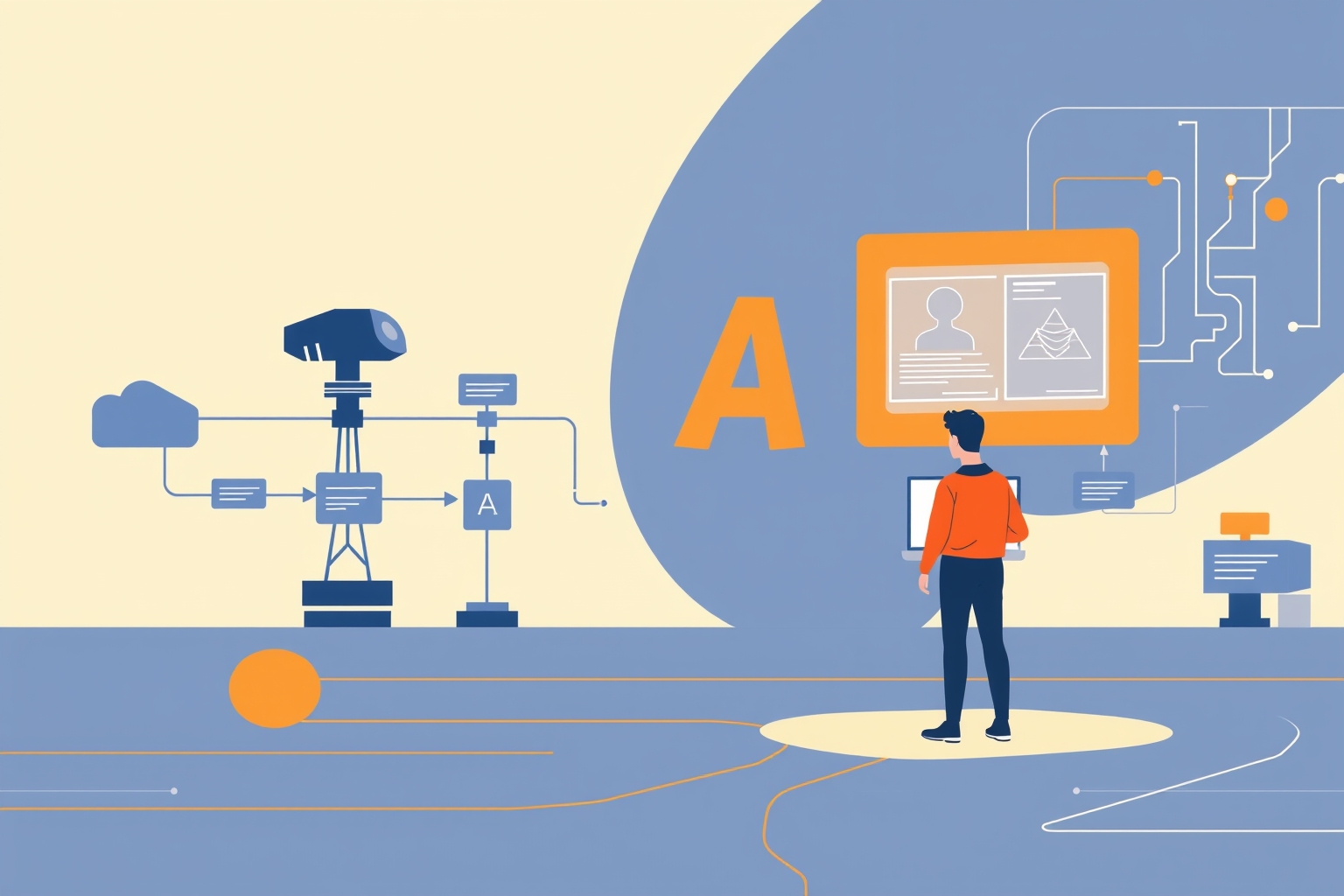
CI/CD for Large-Scale AI Models
The growing complexity of AI models poses significant challenges to their deployment and maintenance. In this article, we'll explore how cloud-native buildpacks and GitOps can streamline the CI/CD pipeline for these models.
Problem Statement
Traditional CI/CD pipelines are often designed for smaller, more manageable applications. However, large-scale AI models require a more sophisticated approach to handle their complexity, scale, and specificity.
Cloud-Native Buildpacks
Cloud-native buildpacks offer a flexible and scalable way to build and deploy applications. By leveraging buildpacks, developers can focus on writing code rather than worrying about the underlying infrastructure.
- Advantages: Buildpacks simplify the deployment process, reduce the risk of human error, and provide a standardized way to package and deploy applications.
- Disadvantages: Buildpacks may introduce additional overhead, and their configuration can be complex.
GitOps
GitOps is an approach to infrastructure management that uses Git as the single source of truth for infrastructure configuration. This approach enables developers to manage infrastructure as code, making it more accessible and collaborative.
- Advantages: GitOps provides a transparent and auditable way to manage infrastructure, reduces the risk of human error, and enables version control of infrastructure changes.
- Disadvantages: GitOps requires significant changes to existing workflows and may introduce additional complexity.
Combining Cloud-Native Buildpacks and GitOps
By combining cloud-native buildpacks and GitOps, developers can create a scalable and efficient CI/CD pipeline for large-scale AI models. This approach enables developers to focus on writing code while leveraging the benefits of both buildpacks and GitOps.
Conclusion
The combination of cloud-native buildpacks and GitOps offers a promising solution for streamlining the deployment of complex AI models. By adopting this approach, developers can reduce the risk of human error, simplify the deployment process, and improve collaboration among teams.
Future Work
As the complexity of AI models continues to grow, it's essential to explore new approaches to CI/CD. Future research should focus on developing more sophisticated buildpacks and GitOps tools that can handle the unique requirements of large-scale AI models.





Comments (0)
No comments yet. Be the first to leave a comment!
Verify Your Comment
We sent a 6-digit OTP code to . Please enter the code below to publish your comment.